Year
Jan 2025
Industry
GovTech · Environmental SaaS
Type
UX Research + Redesign
Tools
Figma · User Interviews · Miro
e-Licencie
Environmental compliance teams were managing critical licensing deadlines with spreadsheets and guesswork. We turned a confusing government-grade tool into a system professionals could actually trust.
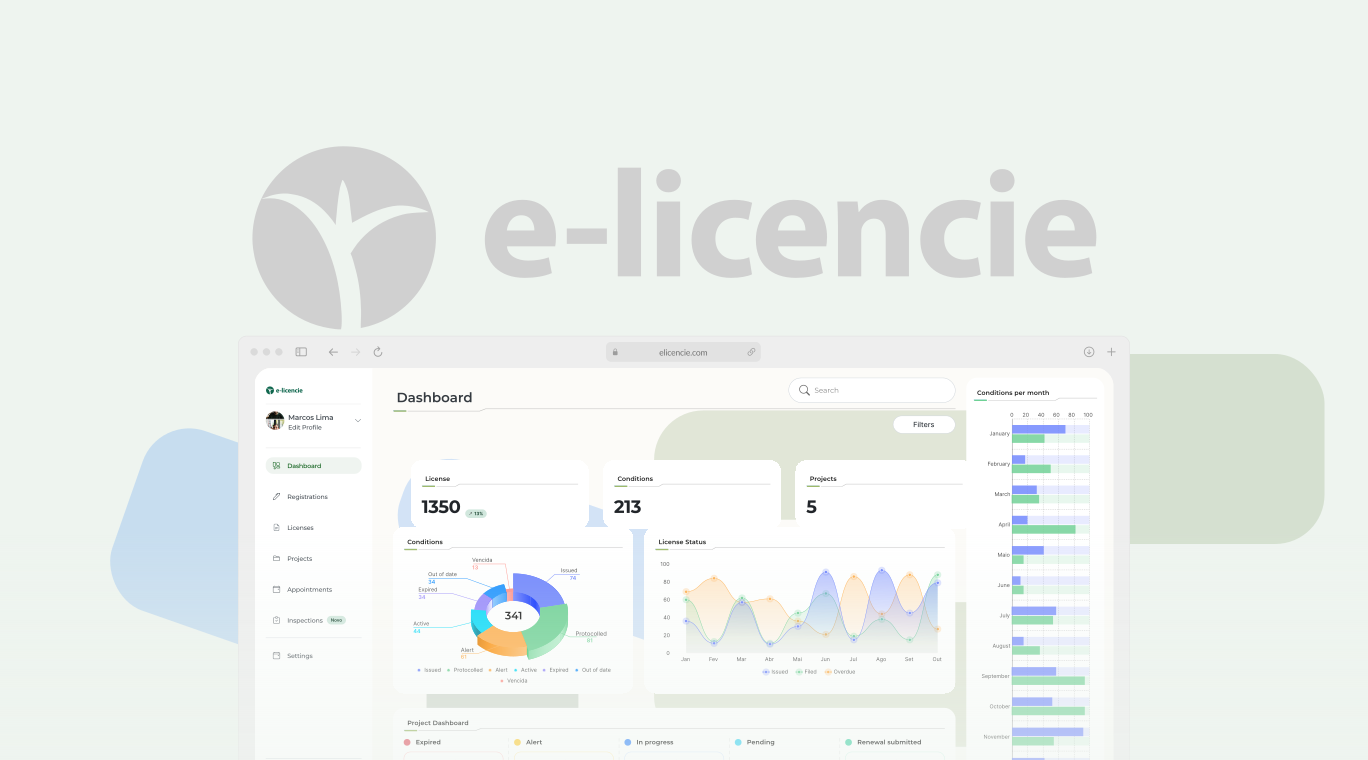
When regulation meets poor UX.
Environmental licensing professionals were supposed to track permits, deadlines, and compliance requirements through e-Licencie — but the interface made them reach for Excel instead. Critical condicionantes were buried in unclear flows. Error messages gave no direction. Navigation menus changed without warning. The software existed; the experience didn't.
4
User Interviews
Priscila, Camine, Lucas, Larissa — 45–60 min each
10
Heuristics Audited
Full Nielsen heuristic analysis across key flows
5
Competitors Mapped
Ambisis, Onegreen, Licentia, aAmbiental, Controll Oil
3
User Personas
Built from interview patterns, not demographics
Key Findings
Unpredictable interactions
100% of users couldn't predict what would happen after clicking. Flows were inconsistent between modules, destroying mental models.
Dead-end error messages
Errors provided no recovery path. Users had to abandon tasks and restart from scratch without understanding what went wrong.
Ambiguous navigation
Same actions carried different labels in different parts of the app. Mental maps users built in one module broke immediately in the next.
The Excel fallback
All 4 users maintained parallel spreadsheets — and some also used Trello — to track deadlines the system was supposed to handle.
Primary Typeface
Montserrat
Designed by Julieta Ulanovsky · Google Fonts
Specimen
A B C D E F G H I J K L M N O P Q R S T U V W X Y Z
a b c d e f g h i j k l m n o p q r s t u v w x y z
0 1 2 3 4 5 6 7 8 9 . , ! ? @ # &
Weight Scale
Display / 800
e-Licencie
Heading / 600
Condicionantes
Body / 400
Track permits, deadlines, and environmental compliance requirements in a single, clear interface.
Brand
Primary
#1A5C3A
Success
#27AE60
Trust
#0056B3
Alert
#E67E22
Backgrounds
Base
#FFFFFF
Surface
#EEF4EF
Elevated
#DDE8E1
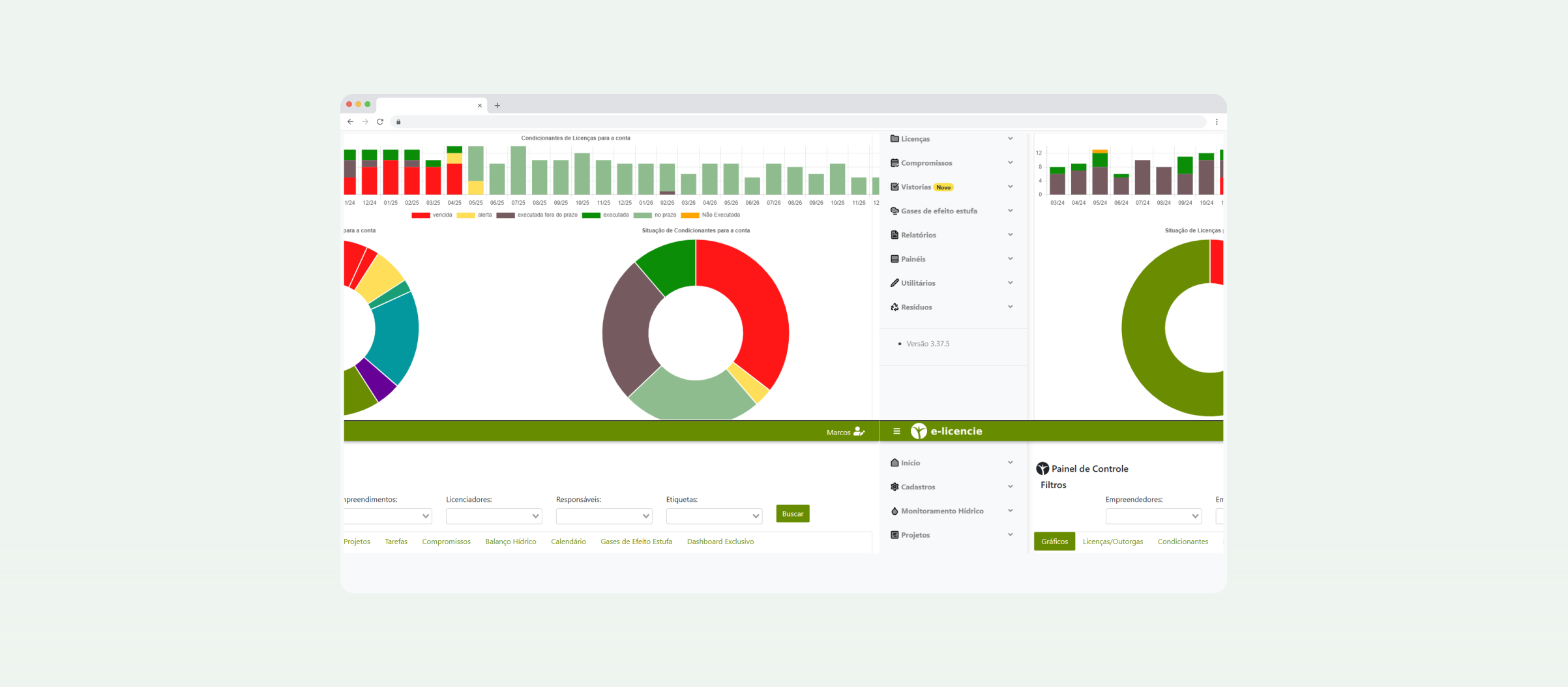
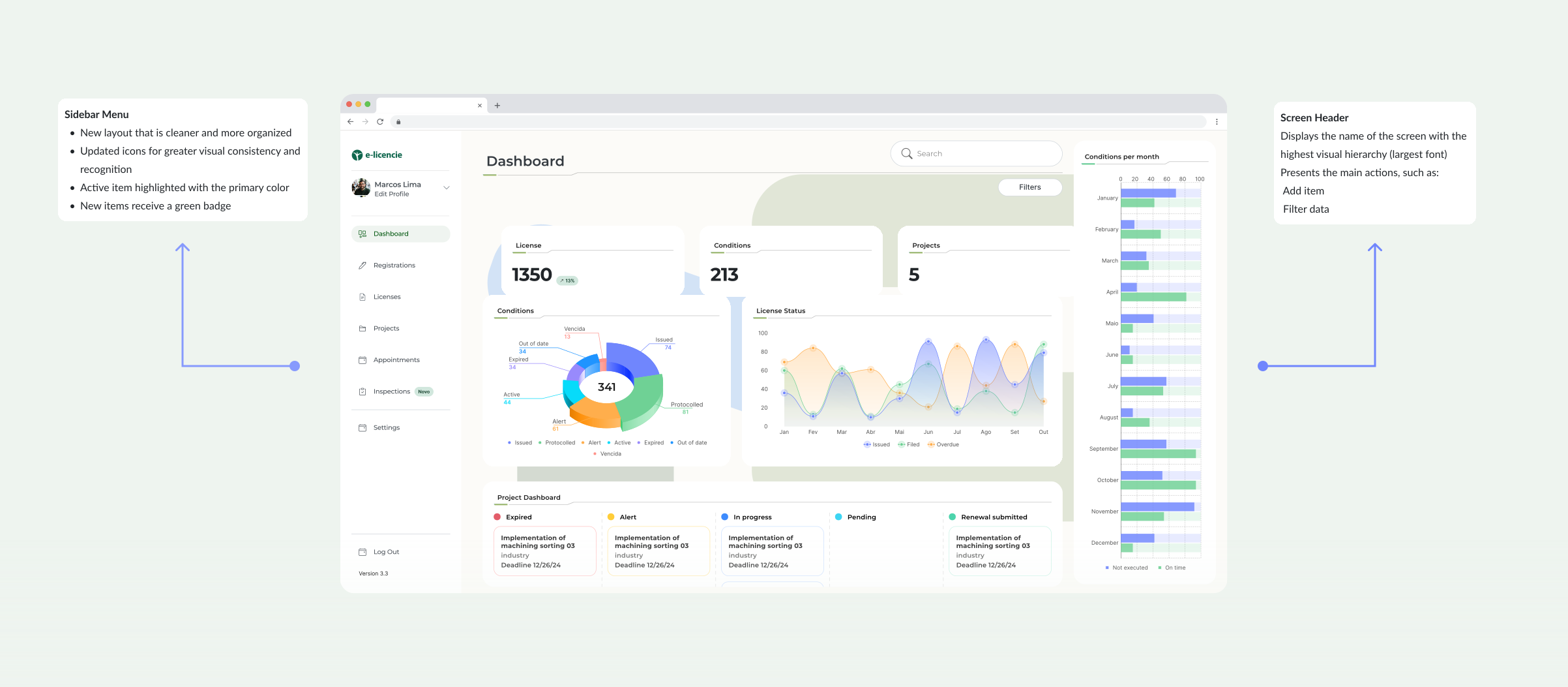 BEFORE
AFTER
BEFORE
AFTER
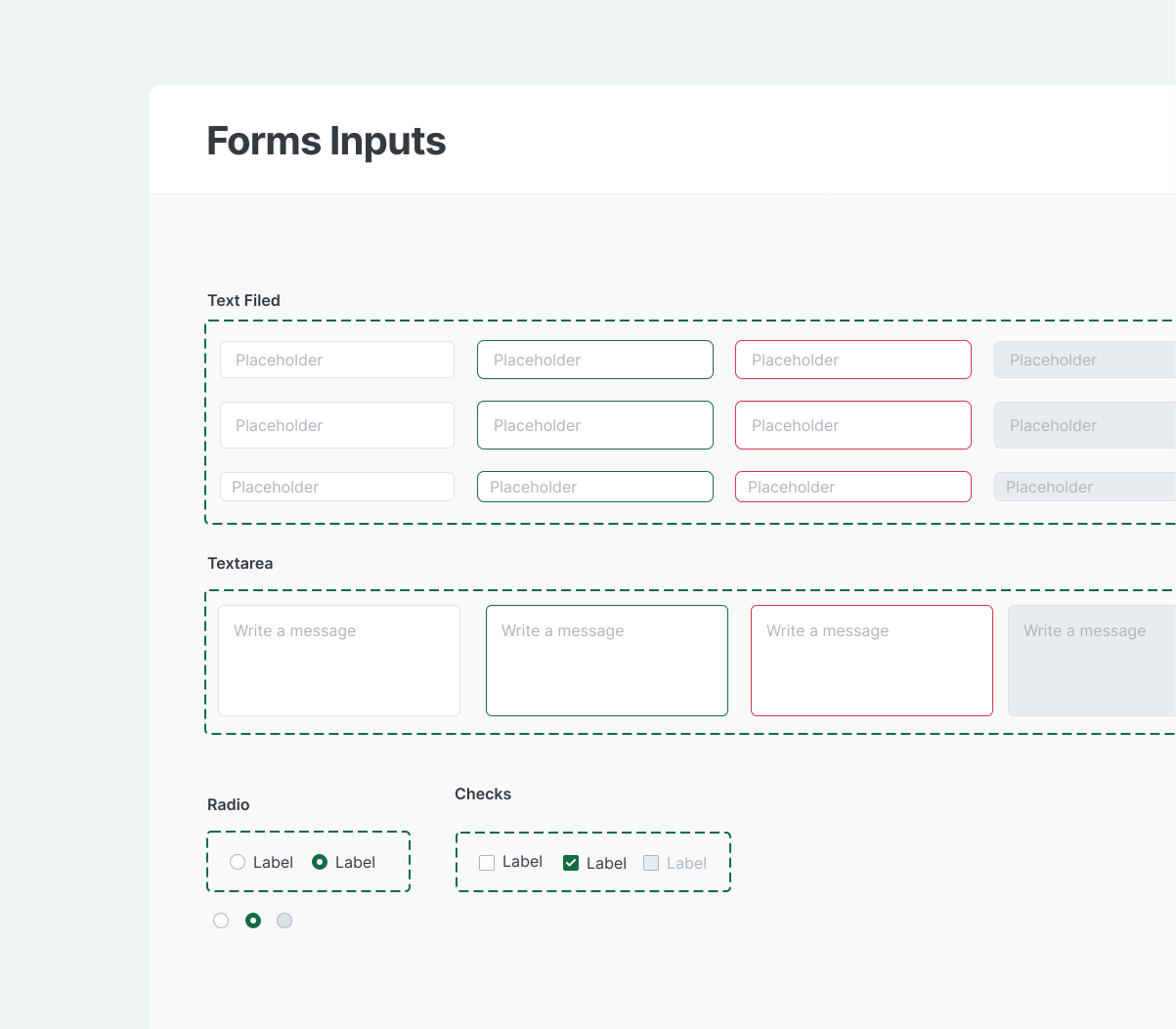
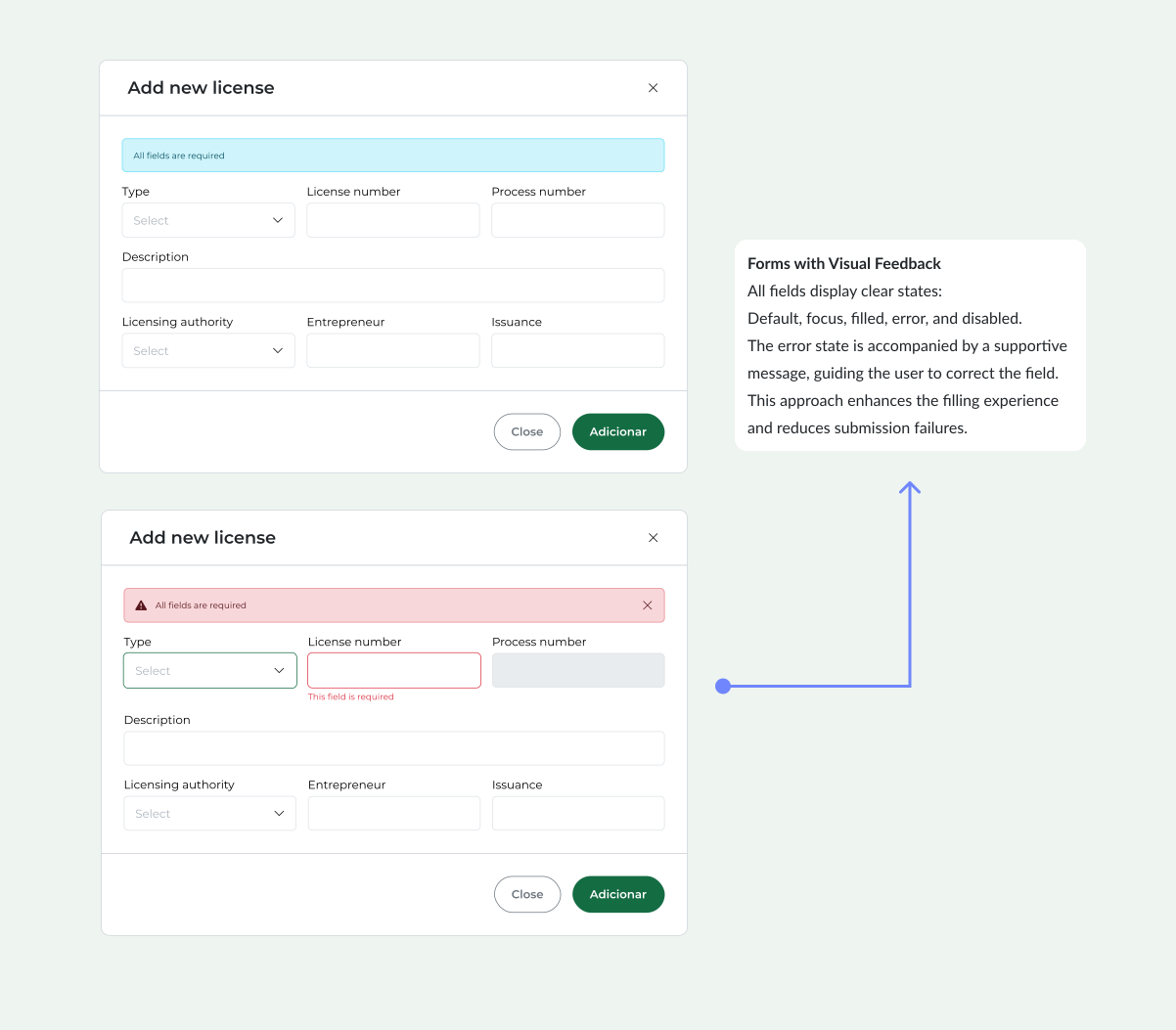
Complex regulation, three different user types, zero room for error.
Government-grade complexity. Environmental licensing isn't forgiving — missed condicionantes carry legal consequences. The system needed to protect users from mistakes, not expose them to more.
Three mental models, one interface. Field analysts, compliance managers, and legal reviewers all used the same tool with completely different goals, vocabularies, and workflows.
Patterns baked into production. Years of inconsistency had been shipped and users had adapted to the broken patterns. Redesigning meant breaking habits — which required careful, incremental changes.
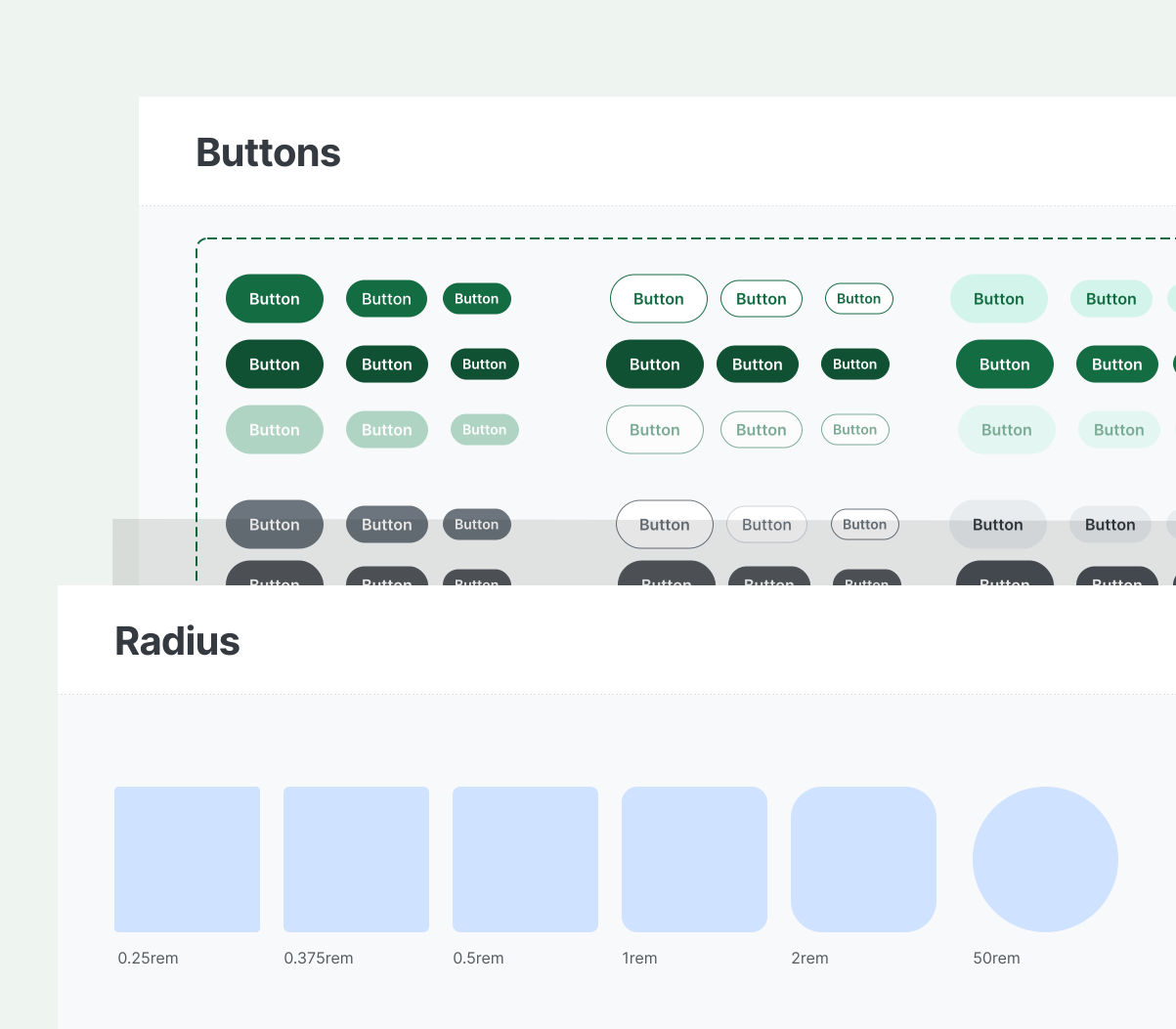
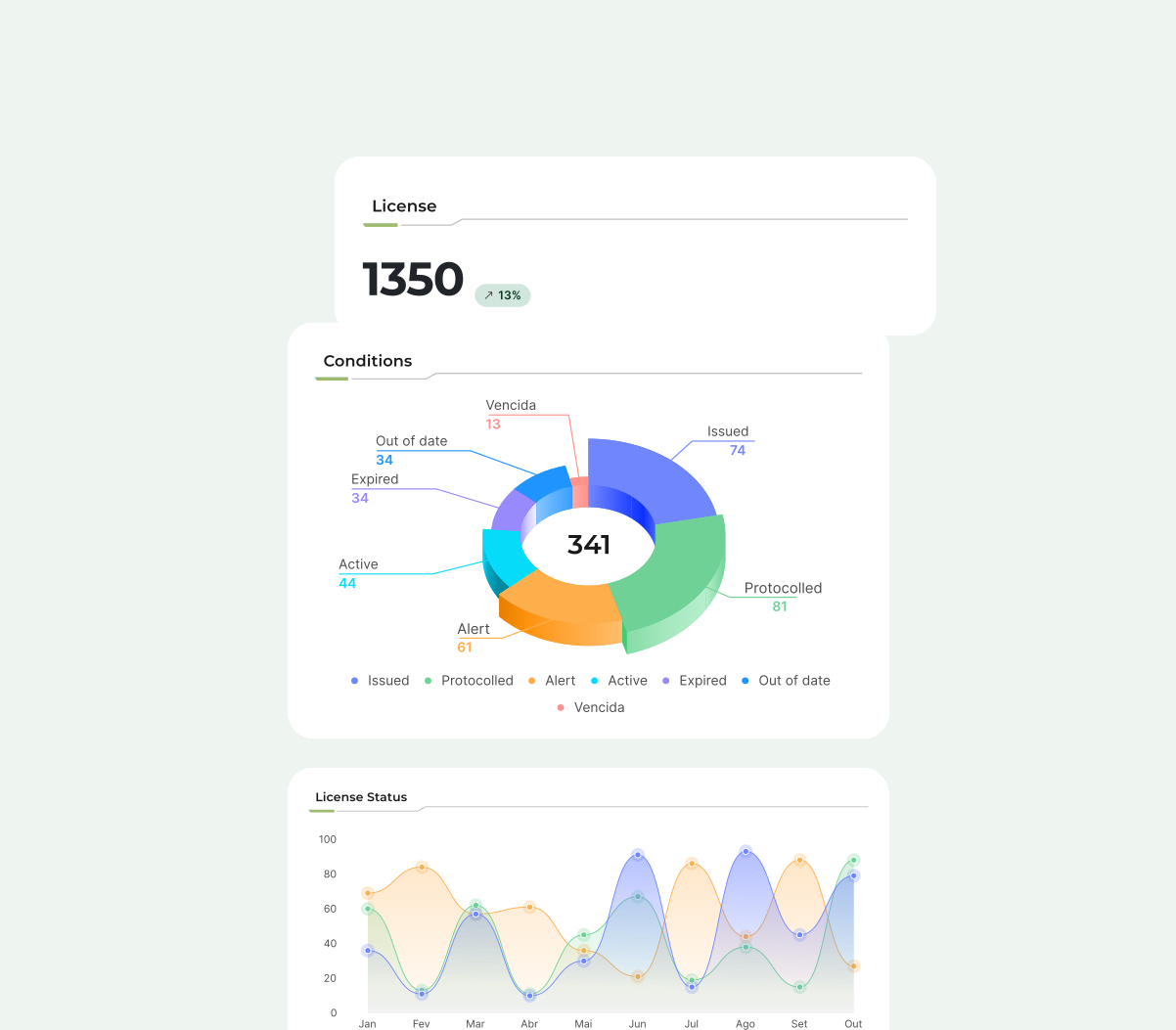
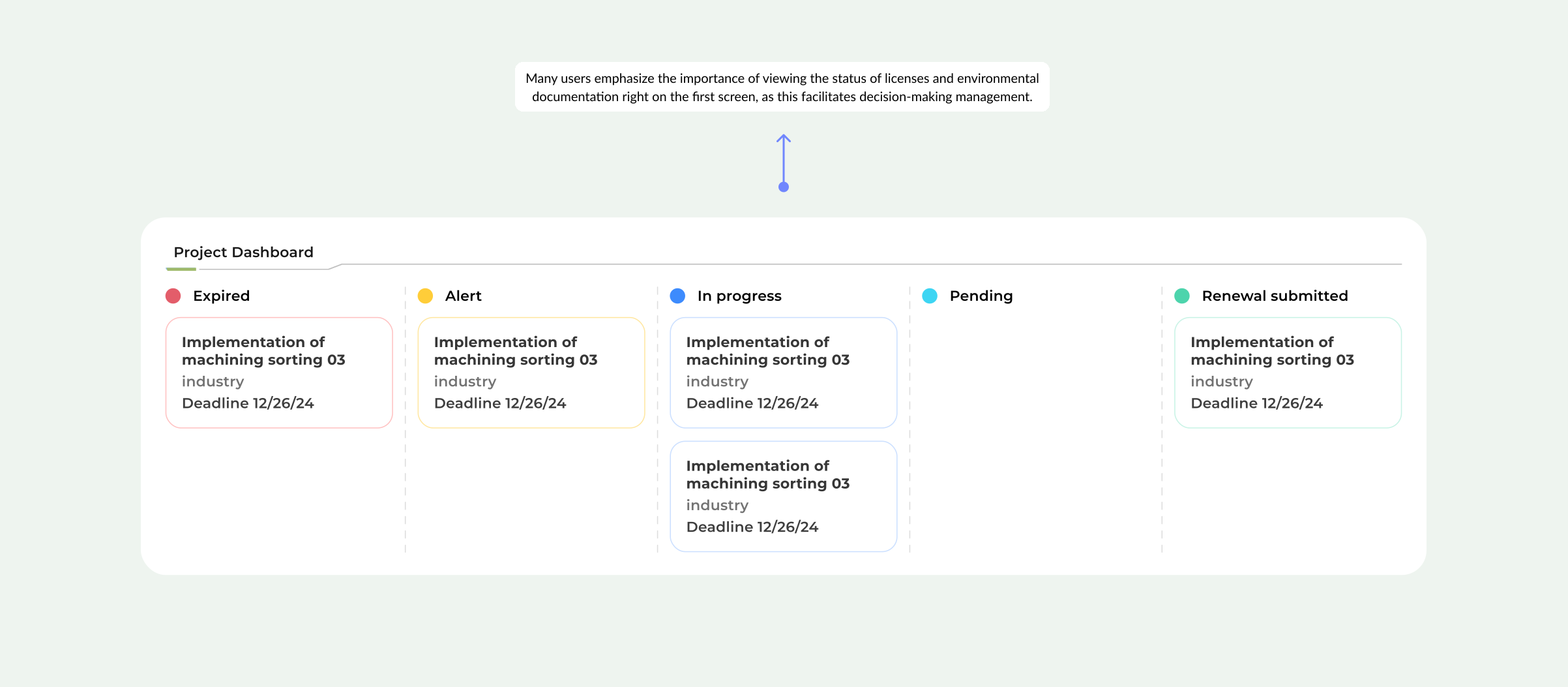
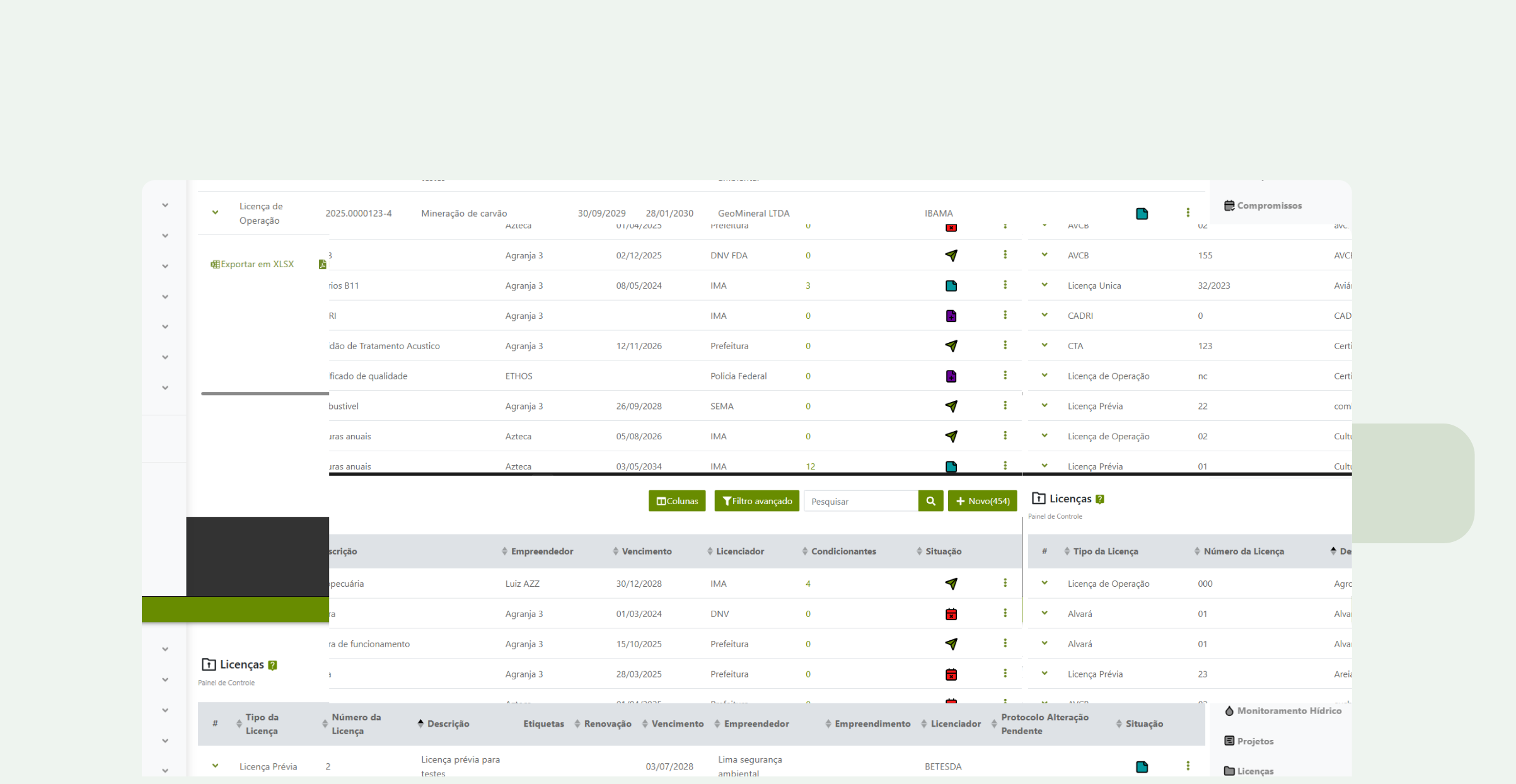
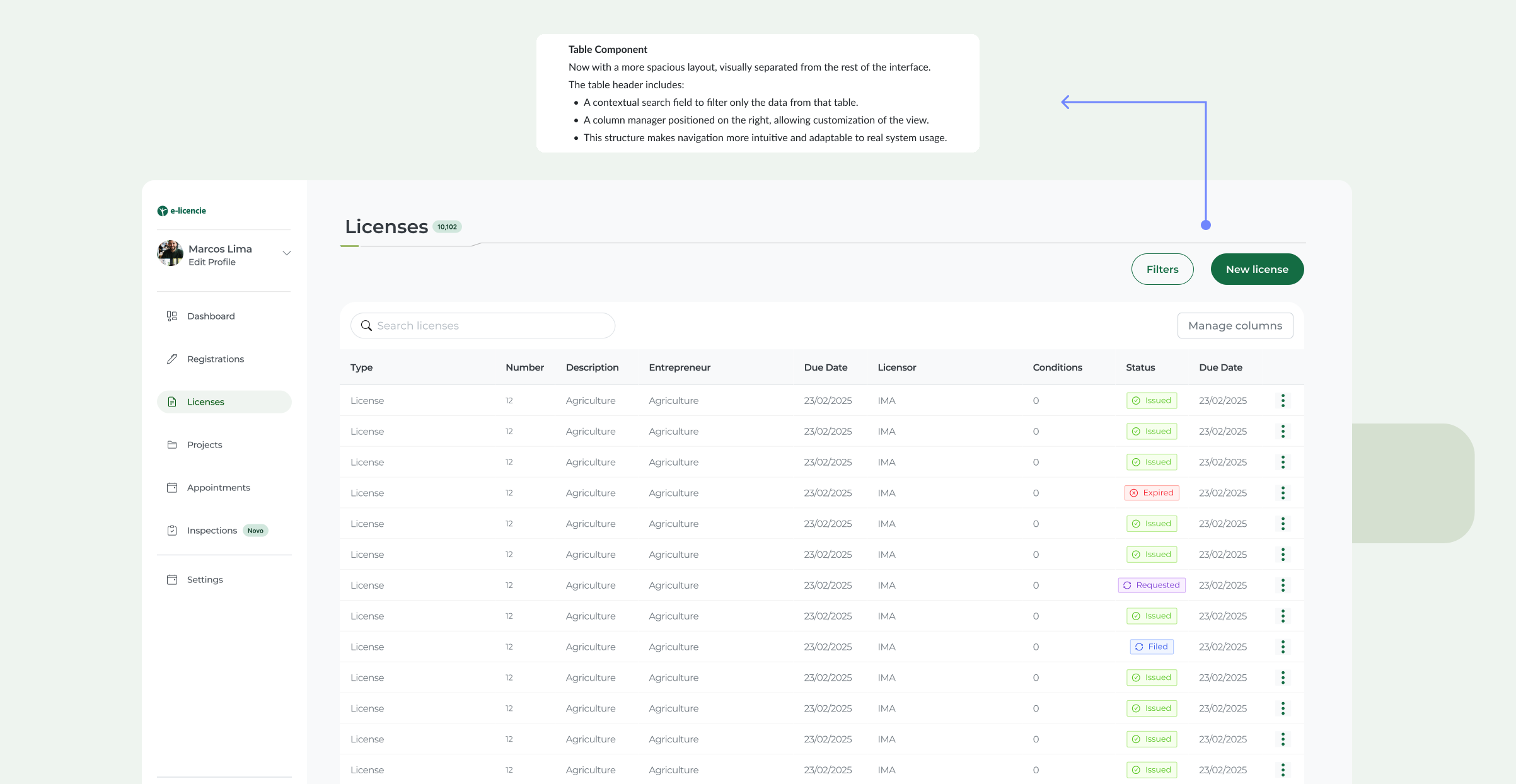 BEFORE
AFTER
BEFORE
AFTER
A research-backed redesign, ready to implement.
UX Research Report
4 user interviews, heuristic analysis, and 5W2H workshop synthesis — all mapped to actionable redesign decisions.
3 User Personas
Built from actual workflow patterns observed in interviews — not generic demographics — to drive every design decision.
Competitor Analysis
5 environmental SaaS platforms benchmarked to identify design patterns that actually serve compliance-heavy workflows.
New Information Architecture
Navigation restructured around how users actually think — not how the database was modeled. Key flows cut from 7+ steps to 3–4.
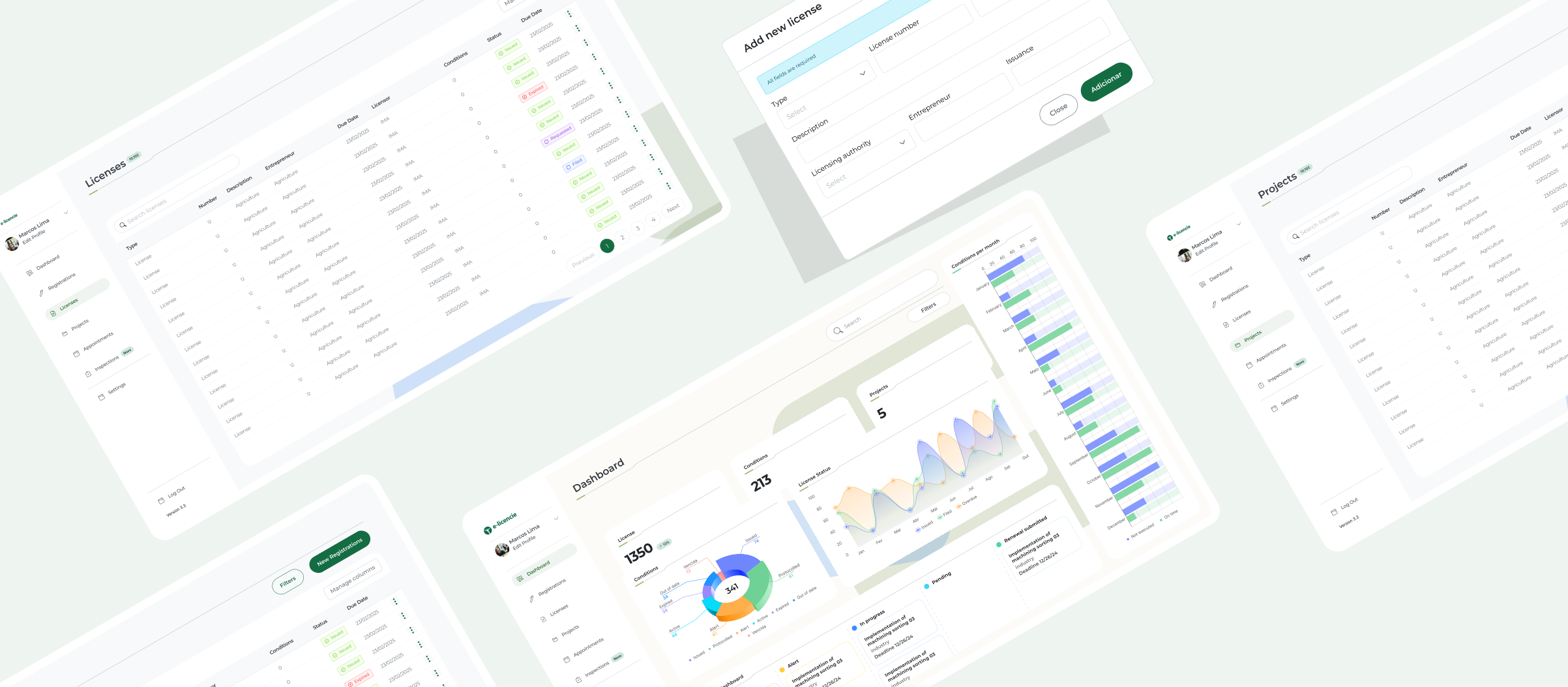
Design System + High-fidelity Screens
Component library with accessibility tokens built in. 0 accessibility issues. Faster design-to-dev handoff through documented patterns.